

Business Growth with MES & CRM Solutions
Improve production efficiency and manage customers effectively with modern digital tools.
Manufacturing Execution System (MES)
How Manufacturing Execution System (MES) Improves Production Efficiency in Factories
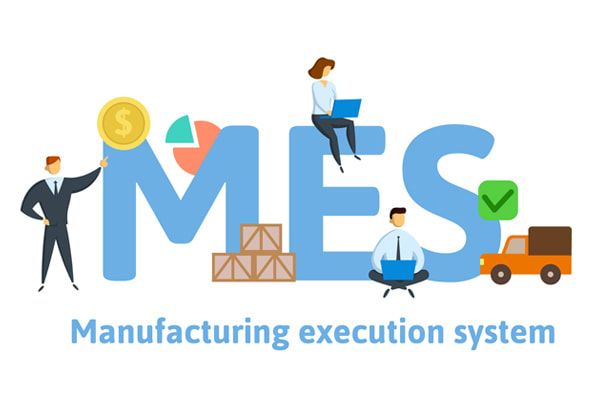
What is Manufacturing Execution System
Manufacturing Execution System (MES) is a digital solution used to manage and monitor manufacturing operations on the shop floor. It helps track production activities, machine performance, and work orders in real time. By connecting machines, operators, and production processes on a single platform, MES gives manufacturers better visibility and control over their daily operations.
The system collects real-time data from different stages of the production process and converts it into meaningful information for managers and supervisors. This allows them to track production progress, identify bottlenecks, and respond quickly to any issues on the shop floor. With better insights and improved coordination between teams, companies can streamline their production workflows, reduce material waste, maintain consistent product quality, and improve overall manufacturing efficiency.
Challenges Without Manufacturing Execution System
Manufacturing companies that operate without a structured system often face several operational challenges. These include lack of real-time production visibility, inefficient resource utilization, manual data recording, and delays in decision-making.
Without proper monitoring, it becomes difficult for management to identify production bottlenecks or quality issues. This can lead to increased downtime, higher operational costs, and reduced productivity.
How Manufacturing Execution System Improves Business Operations
Real-Time Monitoring
One of the biggest advantages of implementing a Manufacturing Execution System (MES) is the ability to monitor production activities in real time. Instead of waiting for manual reports at the end of the shift or day, managers and supervisors can instantly see what is happening on the shop floor. The system tracks machine status, production progress, work order completion, and operator activity. This real-time visibility helps identify delays, bottlenecks, or issues as soon as they occur. As a result, management can take quick corrective actions to keep production running smoothly and ensure targets are achieved on time.
Better Production Planning
Efficient production planning is essential for maintaining a smooth manufacturing workflow. An MES helps organize production schedules by allocating machines, materials, and manpower more effectively. It ensures that work orders are assigned properly and production tasks are carried out in the right sequence. With better planning and scheduling, manufacturers can reduce idle time, avoid production conflicts, and improve overall resource utilization. This leads to faster production cycles and better operational efficiency.
Improved Quality Control
Maintaining consistent product quality is a major challenge for many manufacturing companies. MES systems integrate quality checks directly into the production process, allowing operators to record inspection results digitally. If a product or process does not meet the defined standards, the system can immediately flag the issue. This helps identify defects early and prevents faulty products from moving further in the production cycle. By improving quality monitoring and traceability, MES helps manufacturers reduce rework, minimize product rejection, and maintain high quality standards.
Reduced Downtime
Machine downtime can significantly impact production efficiency and increase operational costs. An MES helps monitor machine performance and track downtime events. Whenever a machine stops or operates below expected performance levels, the system records the issue and alerts the relevant team. Maintenance teams can quickly analyze the cause of the problem and take corrective action. Over time, this data also helps companies implement preventive maintenance strategies, reducing unexpected breakdowns and keeping machines operating efficiently.
Key Benefits of Implementing Manufacturing Execution System
Implementing a Manufacturing Execution System (MES) provides many benefits for manufacturing companies. It gives better visibility of what is happening on the shop floor and helps teams track production more easily. With accurate production data available in real time, managers can make quicker and better decisions.
MES also reduces manual work and chances of human error by connecting production data with management systems. This makes daily operations smoother and more organized. Over time, it helps businesses improve productivity, use resources more efficiently, and increase overall profitability.
Industries That Can Benefit from MES
A Manufacturing Execution System (MES) can be useful for many industries where production processes need proper monitoring, control, and efficiency.
Automotive Industry
MES helps track each stage of production, maintain quality control, and ensure smooth manufacturing processes.
Machinery Manufacturing
MES improves production scheduling, machine monitoring, and coordination between departments.
Food and Beverage Industry
MES ensures proper quality checks, tracks raw materials, and maintains safety standards.
Pharmaceutical Industry
MES helps maintain compliance, track batches, and ensure strict quality control.
Metal and Fabrication Industry
MES helps monitor operations, manage planning, and reduce delays in production.
Conclusion
In today’s competitive manufacturing industry, companies need to constantly improve efficiency and maintain product quality. A Manufacturing Execution System (MES) helps businesses achieve this by providing real-time production visibility and better control over shop floor operations.
With accurate data and insights, managers can make better decisions and quickly resolve issues. By implementing the right digital solutions, manufacturers can streamline operations, improve productivity, and stay competitive.
To improve your manufacturing efficiency and streamline operations, explore our
MES and digital solutions
designed for modern businesses.
Implementing MES is a key step toward building a smarter and more efficient manufacturing system.
CRM System
Why Every Growing Business Needs a CRM System to Manage Leads and Customers
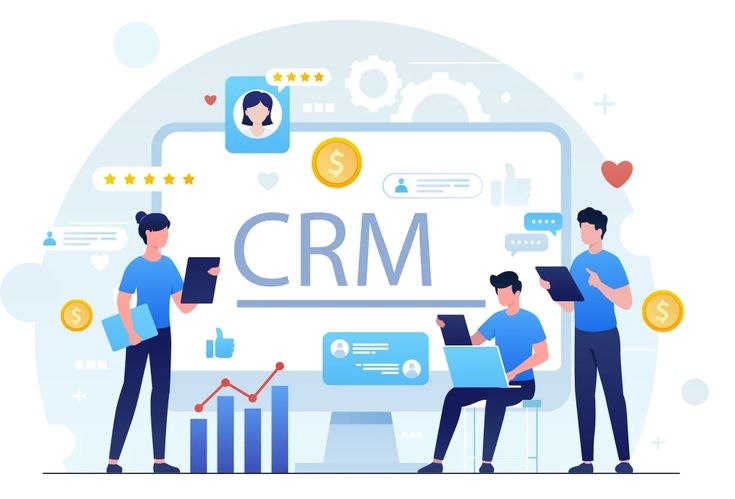
What is a CRM System?
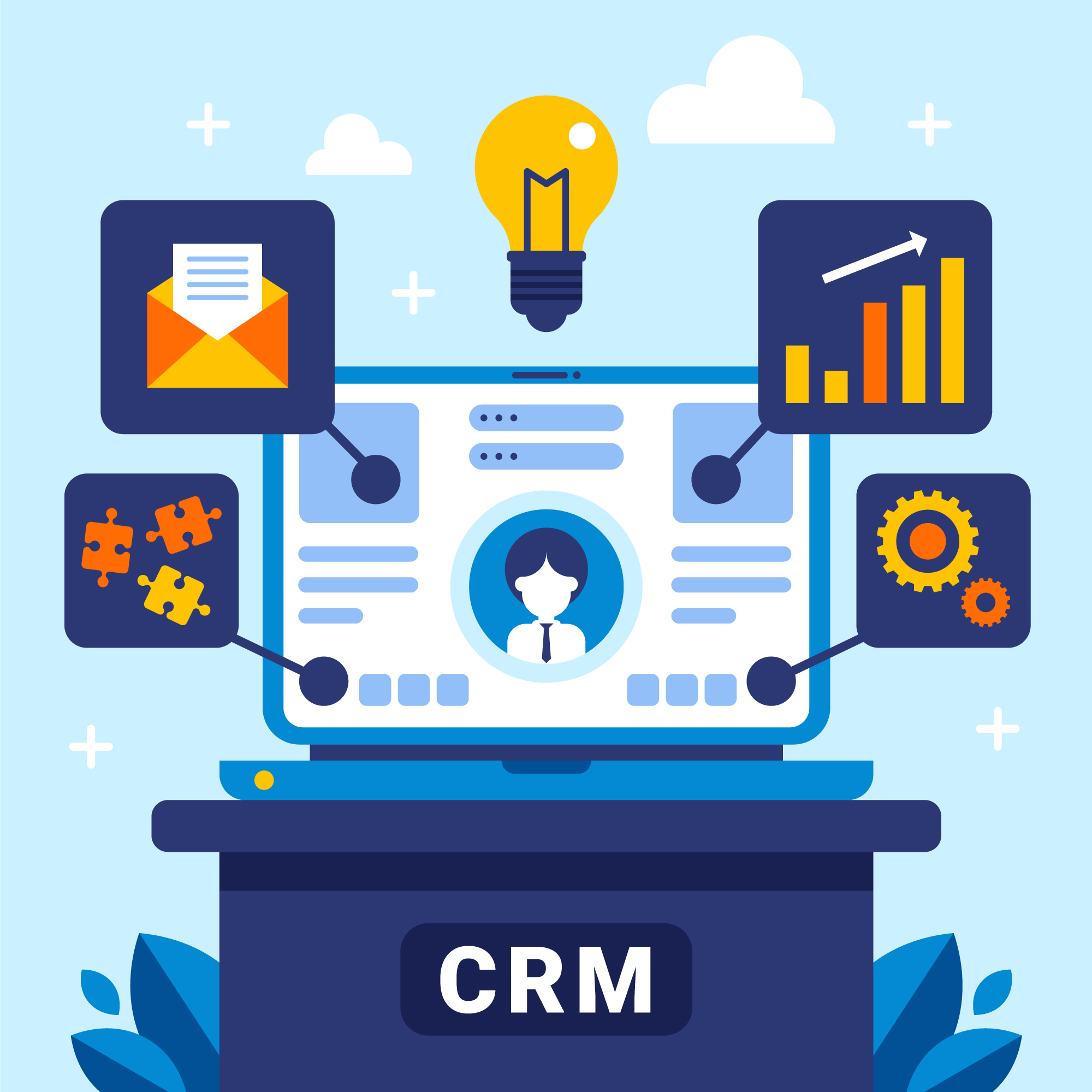
A Customer Relationship Management (CRM) system is a software platform designed to manage interactions with current and potential customers. It helps businesses store customer information, track communication history, manage leads, and analyze sales performance.
Instead of using multiple tools, a CRM centralizes all customer data in one place, making it easier for teams to access, update, and manage information efficiently.
Benefits of a CRM System for Growing Businesses
Centralized Customer Data Management
As businesses grow, customer data often becomes scattered across emails, spreadsheets, and different tools.
- A single, centralized customer database
- Easy access to contact details and history
- Improved data accuracy and organization
Efficient Lead Management
Businesses generate leads from multiple channels such as websites, advertisements, referrals, and social media. This improves lead conversion rates and ensures no opportunity is missed.
- Leads are captured and organized automatically
- Assigned to the right team members
- Tracked throughout the sales process
Sales Pipeline Tracking and Visibility
A CRM system provides complete visibility into your sales pipeline.
- Track deals from initial contact to final closure
- Identify bottlenecks in the sales process
- Forecast revenue more accurately
Improved Customer Relationships
Customers expect personalized communication and quick responses. This leads to higher customer satisfaction and retention.
- Personalized customer interactions
- Better understanding of customer behavior
- Stronger long-term relationships
Increased Productivity Through Automation
Manual processes consume time and reduce efficiency. This allows teams to focus on sales, customer service, and business growth.
- Follow-up reminders
- Task assignments
- Data entry and updates
Data-Driven Decision Making
Modern CRM systems offer reporting and analytics tools. These insights help in making informed business decisions and improving strategies.
- Sales performance
- Lead conversion rates
- Customer engagement
Better Team Collaboration
Sales, marketing, and customer support teams often work with the same customer data. This improves coordination and delivers a seamless customer experience.
- Connects all teams on one platform
- Ensures consistent customer information
- Reduces communication gaps
Scalability for Business Growth
As your business expands, managing customers and leads becomes more complex.
- Scales with your business
- Supports larger teams and data
- Integrates with other tools like marketing and accounting software
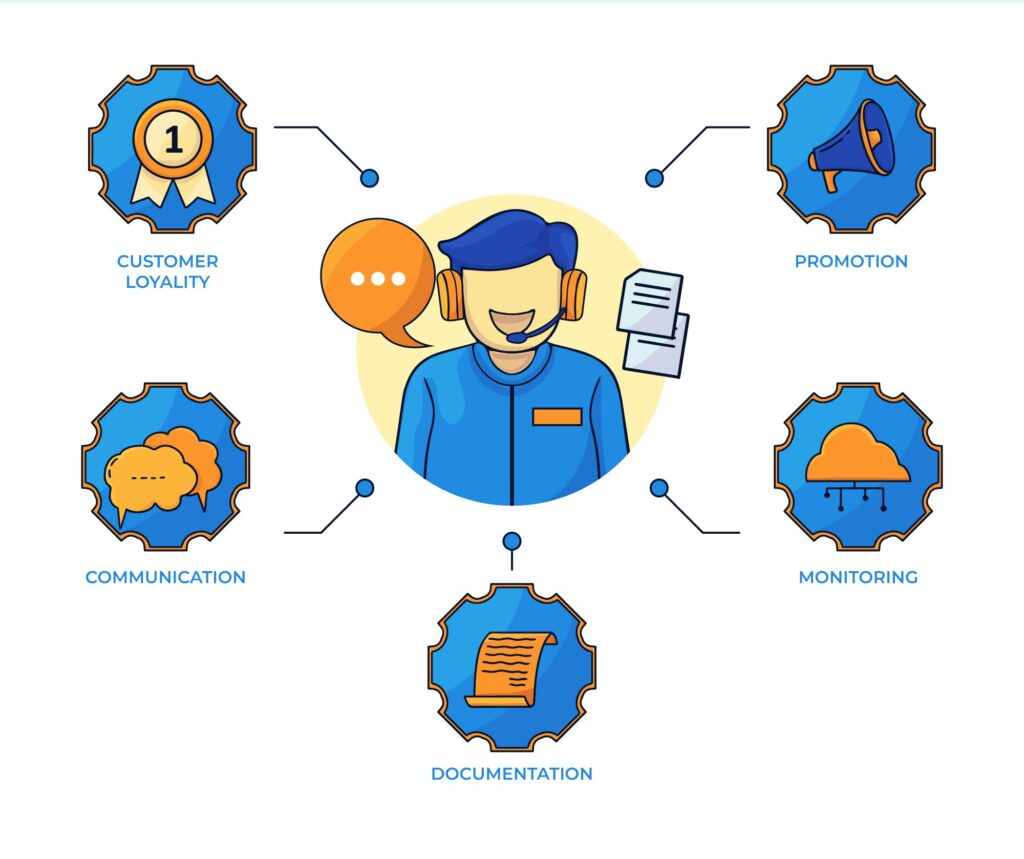
Key Features to Look for in a CRM System
- Lead and contact management
- Sales pipeline tracking
- Task and follow-up reminders
- Reporting and analytics
- Email and communication tracking
- Integration with business tools
- Mobile accessibility
How to Choose the Right CRM for Your Business
Selecting the right CRM depends on your business needs. Consider factors such as:
- Business size and industry
- Number of users
- Required integrations
- Budget and scalability
Conclusion
For growing businesses, managing leads and customer relationships effectively is essential for success. A CRM system helps organize customer data, improve lead management, track sales performance, and enhance customer engagement.
By implementing the right CRM solution, businesses can streamline operations, increase productivity, and build strong, long-term relationships with customers.
To streamline your business operations and manage leads efficiently, explore our
CRM solutions designed for growing businesses.
A CRM is not just a tool—it is a strategic asset that supports sustainable business growth.
FAQ's
What is a CRM system used for?
A CRM system is used to manage customer data, track leads, automate sales processes, and improve customer relationships.
How does a CRM help in lead management?
A CRM captures, organizes, and tracks leads, ensuring timely follow-ups and better conversion rates.
Is a CRM system suitable for small businesses?
Yes, CRM systems are highly beneficial for small and growing businesses as they improve efficiency, organization, and scalability.